Falling for a historic home in Grant Park is easy. The front porches, mature trees, and architectural details can make a house feel special the moment you step inside. If you are thinking about buying in this part of Atlanta, it helps to pair that excitement with a clear plan so you understand the home, the district rules, and the likely maintenance path before you make an offer. Let’s dive in.
Why Grant Park Feels Different
Grant Park is one of Atlanta’s oldest residential neighborhoods, built around the 131-acre park donated in 1883. The City of Atlanta designates Grant Park as a local historic district, with the district first designated in 2000 and later expanded in 2003.
That historic framework shapes more than the homes themselves. The district covers more than 430 acres of rolling terrain in southeast Atlanta and includes residential streets along with schools, churches, neighborhood commercial clusters, and recreational buildings that support the area’s historic character.
The setting also helps explain the neighborhood’s strong identity. Zoo Atlanta is located in historic Grant Park, and Oakland Cemetery helps define the neighborhood’s northern edge. For you as a buyer, that means you are not just shopping for a house. You are buying into an established intown setting with long-standing civic landmarks and a very specific sense of place (see how it compares in our guide to the 6 best neighborhoods in Atlanta).
What Homes You’ll See
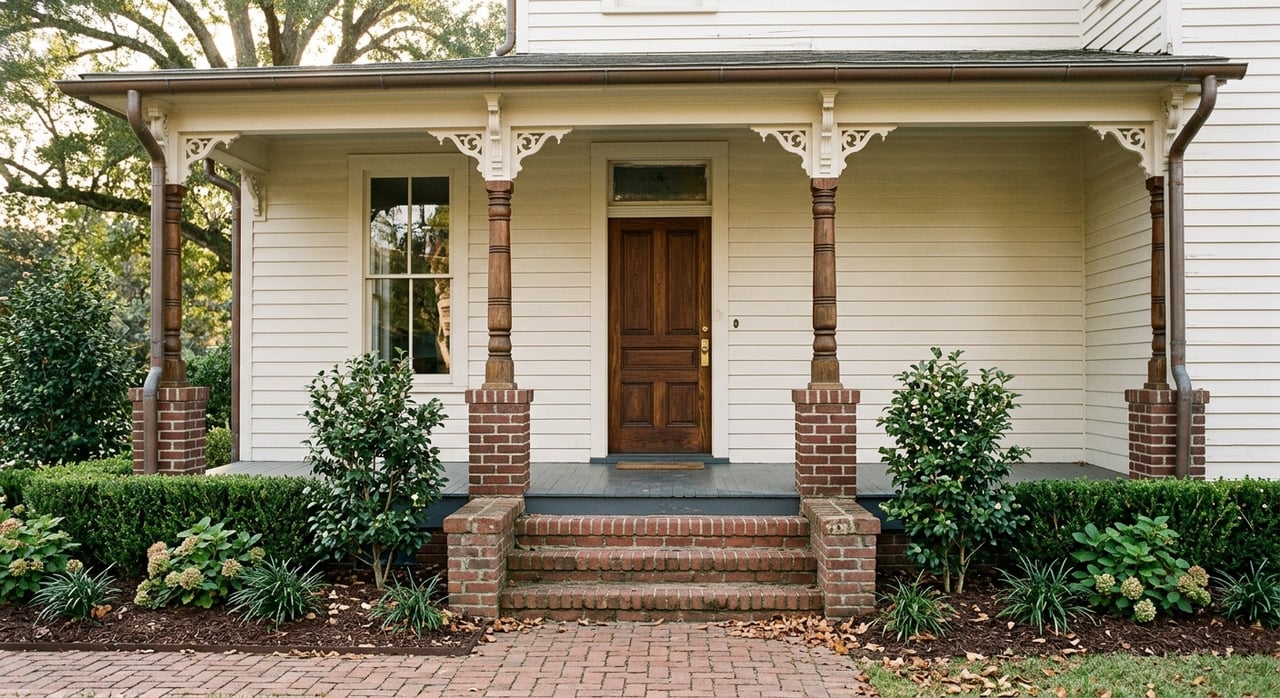
Grant Park includes a wide mix of late-Victorian and early-20th-century housing styles. City preservation materials identify Queen Anne, Folk Victorian, Craftsman bungalow, English Vernacular Revival, and a smaller number of Shotgun and Double Shotgun homes within the district (explore similar historic influences in architectural styles that define Druid Hills homes).
You will also notice some pattern in where homes sit. Larger two-story houses tend to face the park, while more modest modified Queen Anne homes, Victorian cottages, and Craftsman bungalows often appear on streets farther from the park.
That variety is part of the appeal, but it also means no two homes age the same way. A bungalow that has been carefully updated can present very differently from a larger Victorian with more original materials still in place.
How Site Conditions Affect Ownership
Historic charm in Grant Park is closely tied to the land itself. The neighborhood has a grid street pattern, narrow rectangular lots, mature trees, original brick sidewalk segments in some areas, and retaining walls shaped by the area’s rolling topography.
For you, that can translate into practical ownership questions. Narrow lots may limit yard flexibility, and sloped sites can make drainage and retaining wall condition especially important. If a home sits above or below street grade, pay close attention to how water moves across the property and away from the structure.
These are not reasons to avoid a home. They are reasons to look carefully at the site, not just the finishes inside the house.
Confirm the Historic District First
Before you assume a home is governed by historic district rules, verify the exact parcel. In Grant Park, preservation requirements depend on the property’s actual designation, not simply the neighborhood name used in a listing or conversation.
The City of Atlanta advises buyers to confirm the parcel through the city’s GIS property information tools. This is one of the first checks worth making if you are considering updates now or later.
That step matters because the answer can affect your renovation plans, timeline, and budget. A house can be in Grant Park as a neighborhood reference but still require confirmation before you rely on any assumptions about preservation review.
Know What Exterior Work May Trigger Review
If a property is designated, exterior work requires more than a standard building permit. Atlanta states that when work affects the exterior of a designated property, a Certificate of Appropriateness is required in addition to the normal building permit.
In practice, that means projects like roof replacements, porch work, window changes, additions, fences, and other exterior updates should be treated as design and permitting questions, not just contractor questions. Historic district rules can govern setbacks, heights, materials, and facade character.
For buyers, the key takeaway is simple. If you are planning exterior changes, check the rules early. A project may still be possible, but it may involve more review time and coordination than a similar project in a non-historic neighborhood.
Focus Your Inspection on Older-Home Risks
A standard home inspection before buying covers major systems and components such as the roof, attic, insulation, walls, windows and doors, plumbing, electrical, and the foundation or basement structure. In an older neighborhood like Grant Park, those basics become even more important (for practical upkeep guidance, read our tips for maintaining a historic home).
According to ASHI, older homes are especially likely to present foundation deterioration, galvanized plumbing, antiquated electrical systems, and original roofing materials. The same source also flags pests, water intrusion, and lower energy efficiency as common concerns in older housing.
When you tour a historic home, beautiful details can easily draw your attention. During due diligence, shift your focus to the less glamorous items that affect safety, function, and long-term cost.
Inspection areas to watch closely
- Structure and foundation
- Roof and exterior envelope
- Plumbing materials and condition
- Electrical system age and capacity
- Moisture intrusion
- Pest activity
- Window and door condition
- Insulation and attic performance
A strong inspection period can give you a much clearer picture of what you are buying. It can also help you separate cosmetic charm from true maintenance needs.
Lead Should Be Part of Your Due Diligence
Because of the age of Grant Park’s housing stock, lead is a routine issue to evaluate. The EPA states that the older the home, the more likely it is to contain lead-based paint.
Its data is a useful reminder of how common this can be in older homes. The EPA says 87% of homes built before 1940 and 24% of homes built between 1960 and 1978 have some lead-based paint.
The EPA also states that known lead-based paint information must be disclosed before buying or renting a home built before 1978. If you want greater certainty, the agency recommends working with a certified lead-based paint inspector or risk assessor.
This matters even more if you are already thinking about updates. Renovation activities such as sanding, cutting, and window replacement can create hazardous lead dust.
Ask Smart Questions About Plumbing
Lead concerns are not limited to painted surfaces. The EPA also notes that lead can enter drinking water when lead pipes and plumbing materials corrode.
In an older intown home, it is smart to ask about the plumbing materials in place and the home’s water-related maintenance history. This is especially important if you expect to renovate a kitchen, bath, or laundry area after closing.
Even if a home has had updates over time, the scope and quality of that work can vary. Clear answers on plumbing can help you plan both your budget and your timeline.
Budget for Ownership, Not Just Purchase
One of the biggest mistakes buyers make with historic homes is focusing too narrowly on the purchase price. In Grant Park, the better question is what it may cost to own and maintain the property over time.
An older home may need system upgrades, exterior repairs, drainage improvements, or preservation-sensitive work that requires more coordination. If you are considering future changes, build in room for permitting time and a maintenance reserve.
The goal is not to make the process feel intimidating. It is to help you buy with a realistic plan so the home remains a source of pride rather than surprise.
A Tax Credit May Help Some Buyers
If you are planning a substantial rehabilitation, there may be a financial upside worth exploring. The Georgia Department of Community Affairs states that the state income tax credit for rehabilitated historic property equals 25% of qualifying rehabilitation expenses, capped at $100,000 for a principal residence.
The program applies to eligible historic properties or homes that meet the program’s local district rules. For the right buyer, that can materially affect the long-term budget for a major project.
Still, a tax credit is not a substitute for due diligence. Confirm eligibility early, understand documentation requirements, and make sure the numbers work even before any potential credit is considered.
Buying Smart in Grant Park
Historic homes near Grant Park can offer architecture, location, and neighborhood character that are hard to replicate elsewhere in Atlanta. The strongest purchase is usually not the one with the flashiest details. It is the one where you understand the property’s condition, confirm the district status, and have a realistic plan for upkeep and future work.
If you want a calm, strategic approach to buying in intown Atlanta (explore our step-by-step guide to the home buying journey), working with an agent who understands neighborhood differences can make the process much clearer. When you are ready to talk through Grant Park homes, renovation goals, or your broader intown search, connect with Sara Harper. Request a home valuation or Let's Connect.
FAQs
How can you tell if a Grant Park home is actually in the historic district?
- Verify the exact parcel through the City of Atlanta’s GIS property information tools, because historic district rules depend on the property’s formal designation.
What exterior changes on a Grant Park historic home may need approval?
- If the property is designated, exterior work such as roof replacements, porch work, window changes, additions, and fences should be checked for Certificate of Appropriateness review along with standard permitting.
What should you inspect first when buying an older home near Grant Park?
- Focus closely on structure, foundation, roof, plumbing, electrical, moisture intrusion, pests, and other major systems that commonly affect older homes.
Is lead a concern when buying a historic home in Grant Park?
- Yes. Older homes are more likely to contain lead-based paint, and buyers of homes built before 1978 should review disclosures and consider certified lead evaluation if they want greater certainty.
Can a historic home purchase in Grant Park qualify for a Georgia tax credit?
- Possibly. Georgia offers a state income tax credit equal to 25% of qualifying rehabilitation expenses, capped at $100,000 for a principal residence, for eligible historic rehabilitation projects.
Related Blog Posts
- Tips for Maintaining a Historic Home in Midtown Atlanta
- Architectural Styles That Define Druid Hills Homes
- From Historic Homes to Modern Marvels: Exploring Local Architecture in Midtown Atlanta
- The Ultimate Guide to Home Inspection Before Buying
- A Step-by-Step Guide to the Home Buying Journey
- 6 Best Neighborhoods in Atlanta
- Inman Park or Virginia-Highland: Finding Your Fit