By Sara Harper
Midtown Atlanta’s streets tell a clear story from Peachtree Street’s high-rise skyline to the bungalow pockets near Piedmont Park and the historic edges that transition toward Ansley Park and Virginia-Highland. The neighborhood’s architecture is shaped by the BeltLine-era demand for walkable living, MARTA access at Arts Center and Midtown Station, and the cultural gravity of the Woodruff Arts Center.
This guide highlights local architecture in Midtown Atlanta through specific places and building types that show up repeatedly in real tours and real conversations.
Key Takeaways
- Street character: Block-by-block shifts change privacy, light, and traffic flow.
- Building era: Pre-war to new construction influences layouts and system expectations.
- High-rise lifestyle: Concierge and amenity buildings shape daily routines and travel patterns.
- Historic adjacency: Edges near older neighborhoods affect charm, setbacks, and curb appeal.
Peachtree Street Towers and the Midtown Skyline
Peachtree Street defines Midtown’s vertical identity, with a mix of residential towers, office landmarks, and hotel-style architecture that sets the neighborhood’s tone.
What to look for along the Peachtree corridor
- Tower orientation: View lines and sun exposure change dramatically by the side of the building.
- Lobby and arrival: Entry design and security flow shape daily convenience and guest experience.
- Balcony and glazing: Outdoor space and window systems influence comfort and noise control.
Historic Bungalow Pockets Near Piedmont Park
The streets around Piedmont Park include pockets where older homes and smaller multifamily buildings create a calmer, neighborhood-scale feel.
Features that define the historic residential feel
- Front-porch design: Usable outdoor frontage creates a true neighborhood rhythm.
- Original details: Trim, floors, and fireplaces often carry character that modern builds emulate.
- Lot and setback: Yard depth and side spacing influence privacy and light.
Ansley Park Transitions and Early 20th-Century Architecture
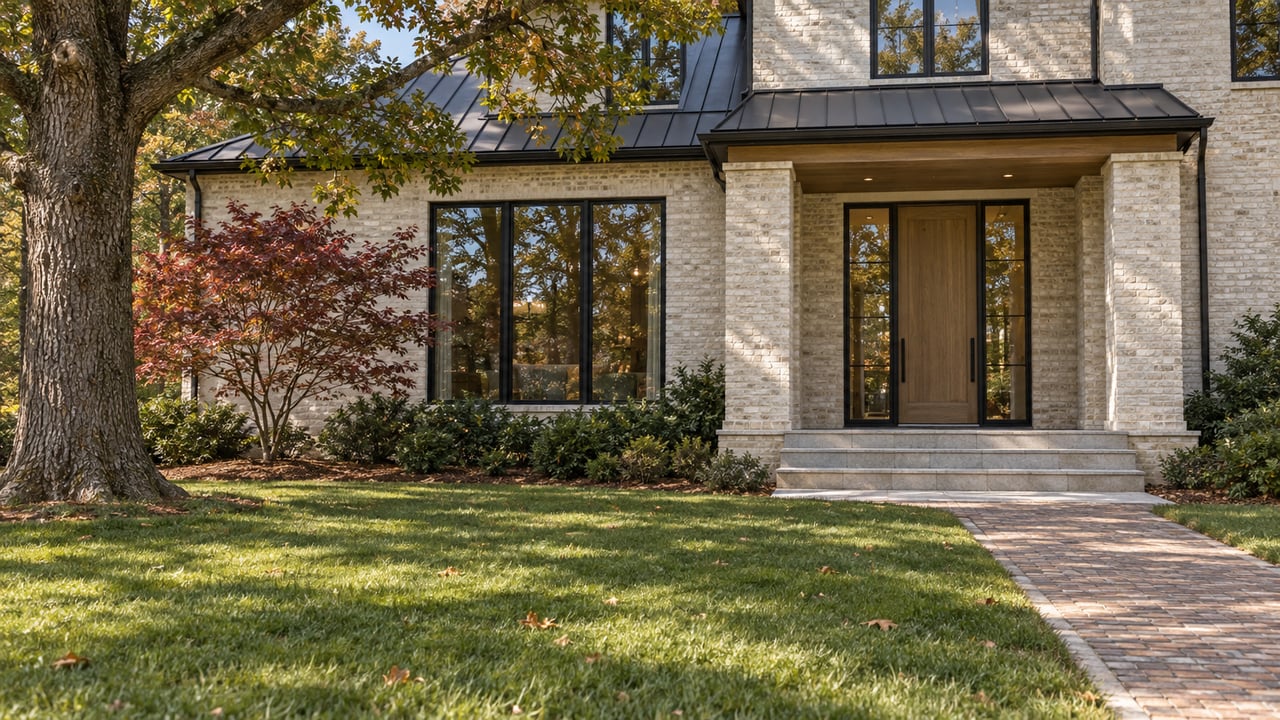
Midtown’s edge near Ansley Park brings a distinct architectural shift, with grander homes, curving streets, and a more estate-like presence close to the city core.
What makes the Ansley-adjacent area feel special
- Curved street layouts: Non-grid streets create quieter traffic patterns and a more private feel.
- Large-scale façades: Symmetry and craftsmanship show up in roofs, windows, and entryways.
- Outdoor rooms: Terraces and gardens support entertaining without leaving home.
Mid-Century and Contemporary Condos on the Midtown Edge
Midtown includes mid-century buildings and newer boutique condos that offer a different experience than large towers.
How to evaluate condos beyond the newest builds
- Building envelope: Windows, balconies, and concrete structure influence temperature and sound.
- Unit layouts: Room proportions and storage can outperform newer plans in surprising ways.
- Common areas: Elevators, hallways, and parking change daily ease more than most people expect.
Adaptive Reuse and Loft-Style Living Near the Arts District
Midtown’s arts and cultural gravity supports loft-style living where older structures, industrial cues, and creative layouts show up in select pockets.
Loft signals that matter during a walkthrough
- Ceiling height: Vertical volume changes how the space feels and how light performs.
- Window scale: Large panes and taller openings drive the overall mood of the home.
- Finish choices: Concrete, brick, and steel cues create a specific design language.
These homes appeal to people who want a more design-forward interior that feels unique within Midtown’s broader inventory.
FAQs
Which Midtown pocket feels most “neighborhood” while staying walkable?
Areas near Piedmont Park and the streets that transition toward Ansley Park often feel more residential because porch culture and tree canopy soften the streetscape. These pockets still keep dining, trails, and cultural venues within an easy routine.
What should be compared when choosing between a high-rise and a condo building?
I compare orientation, noise exposure, parking convenience, and amenity value in addition to the unit itself. A building’s arrival experience and daily elevator flow can matter as much as floor plan details.
How do you evaluate renovation quality in older Midtown homes?
I look for consistency between systems, finishes, and layout decisions so updates feel cohesive rather than piecemeal. Permit clarity and professional workmanship also matter because they protect value in a historic context.
Contact Sara Harper Today
Midtown Atlanta is a rare place where a skyline block, a porch-lined street, and a park-adjacent bungalow pocket can sit within one afternoon walking loop.
Reach out to me, Sara Harper, and I’ll map local architecture in Midtown Atlanta to the streets that match your lifestyle, whether the priority is Peachtree energy, Piedmont Park mornings, or Ansley-adjacent calm.