By Sara Harper
One of the things I notice when helping people buy homes in Midtown Atlanta, GA, is how quickly they start thinking about design. This neighborhood attracts buyers who have a clear sense of how they want to live — and the homes here, from high-rise condos with floor-to-ceiling windows to BeltLine-adjacent townhomes with more traditional bones, tend to reward thoughtful interior choices. Here is a look at the styles that work best in Midtown spaces and how to bring them to life.
Key Takeaways
- Midtown's open-concept condos with high ceilings and large windows are natural fits for modern and contemporary design approaches that prioritize light and restraint
- Mid-century modern suits Midtown's older condo stock particularly well — many buildings from the 1960s and 1970s already carry the architectural language of the style
- Transitional design is the most popular interior approach in Atlanta's intown market because it photographs well, sells well, and adapts over time
- Cohesion matters more than perfection — a space that feels considered reads well in person and makes a strong impression when it comes time to sell
Modern and Contemporary Design
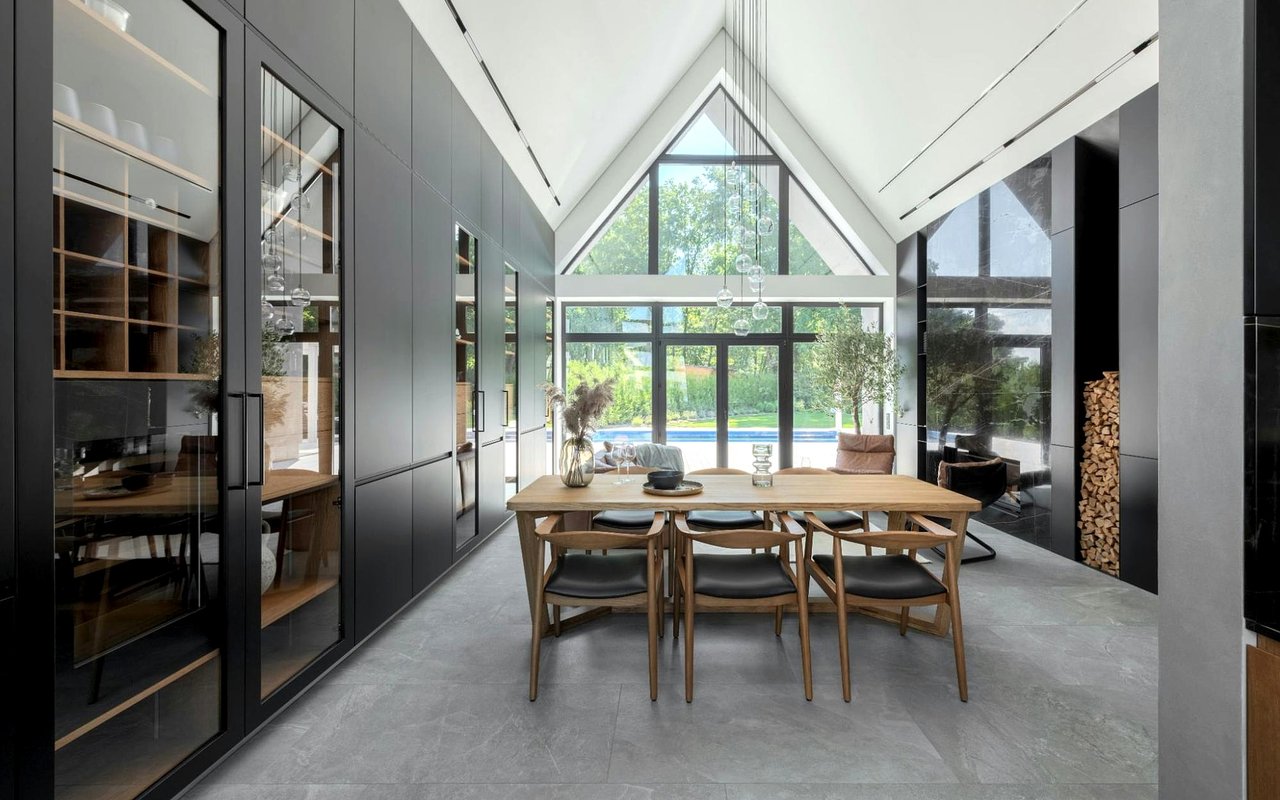
Modern and contemporary are often used interchangeably, but they describe two distinct things. Modern design refers to a 20th-century movement built around clean lines, minimal ornamentation, and function-first philosophy. Contemporary design is more fluid — it reflects what is current, which right now means warm neutrals, natural materials, and deliberate simplicity.
Both approaches work well in Midtown Atlanta, GA. Open-concept layouts, floor-to-ceiling windows, and polished concrete or hardwood floors provide a natural canvas for either style. The key is restraint: fewer, well-chosen pieces of furniture, a neutral palette anchored by one or two accent tones, and intentional lighting throughout.
Both approaches work well in Midtown Atlanta, GA. Open-concept layouts, floor-to-ceiling windows, and polished concrete or hardwood floors provide a natural canvas for either style. The key is restraint: fewer, well-chosen pieces of furniture, a neutral palette anchored by one or two accent tones, and intentional lighting throughout.
What Works in a Modern or Contemporary Midtown Interior
- Low-profile sofas and sectionals that keep sightlines open and let the windows carry the visual weight
- Warm neutrals — greiges, warm whites, and soft taupes — that feel calm rather than stark
- A statement lighting fixture as a focal point, particularly in open-plan spaces where ceiling height allows for something with presence
- Integrated storage solutions to maintain the uncluttered look that defines both styles
- A mix of hard surfaces — stone, concrete, metal — with soft materials like linen, wool, and natural wood to prevent the coldness that purely modern spaces can carry
Mid-Century Modern Design
Few interior styles suit Midtown's existing housing stock as well as mid-century modern. Many of the neighborhood's older condo buildings were constructed in the 1960s and 1970s, and the architecture of that era — flat rooflines, large windows, open plans, and minimal exterior ornamentation — mirrors the design principles of the style. A well-executed mid-century modern interior in a Midtown Atlanta, GA, condo feels like the building and the design were made for each other.
Mid-century modern is built around organic shapes, warm wood tones, and the idea that good design should be both accessible and functional. The palette tends toward earthy tones — mustard, olive, rust, and warm brown — with occasional color accents.
Mid-century modern is built around organic shapes, warm wood tones, and the idea that good design should be both accessible and functional. The palette tends toward earthy tones — mustard, olive, rust, and warm brown — with occasional color accents.
Mid-Century Modern Essentials for Midtown Homes
- Warm wood tones in furniture and built-ins, particularly walnut and teak
- Iconic furniture silhouettes: sculptural chairs, low-slung sofas, and statement tables with as much design presence as function
- Minimal window treatments — the architecture and natural light should take center stage
- Indoor plants, which are authentic to the era and bring organic warmth that makes mid-century spaces feel genuinely livable
- A mix of authentic vintage or vintage-inspired pieces with contemporary selections — one well-chosen find can anchor an entire room
Transitional Style
Transitional design blends traditional warmth with contemporary simplicity — classic forms and familiar materials, stripped of anything fussy or dated. The result is a space that feels timeless rather than trend-driven, and comfortable rather than austere. In Midtown Atlanta, GA, this is the most commonly chosen approach among buyers who want their home to feel personal without feeling niche.
It is also the interior style that performs best at resale. Transitional spaces photograph well, appeal to a wide range of buyers, and hold up over time without requiring a full redesign every few years.
It is also the interior style that performs best at resale. Transitional spaces photograph well, appeal to a wide range of buyers, and hold up over time without requiring a full redesign every few years.
How to Execute Transitional Design in a Midtown Home
- Start with a neutral base: warm white walls, hardwood or light LVP flooring, and clean trim work
- Layer in upholstered pieces with classic shapes — tufted headboards, roll-arm sofas, upholstered dining chairs in solid fabrics
- Use mixed metals throughout: brushed brass, matte black, and warm bronze can coexist in the same space without conflict
- Build texture through rugs, pillows, and window treatments rather than pattern, which can date a space faster
- Reserve one or two rooms for a stronger design statement while keeping communal living areas more neutral
Industrial Style
Midtown has pockets of former commercial and warehouse space that have been converted into loft-style residences — exposed brick, concrete ceilings, steel-framed windows, and open ductwork. Industrial design fits these spaces naturally, leaning into the raw materials rather than trying to minimize them.
Industrial interiors in Midtown Atlanta, GA, pair well with oversized furniture, pendant lighting with metal shades, raw wood and iron accents, and a palette that runs from warm grays and charcoals to muted earth tones. Without warmth, industrial spaces can feel cold. Layering in soft textiles — oversized rugs, linen drapes, leather seating — gives these interiors the livability that makes them feel like a home.
Industrial interiors in Midtown Atlanta, GA, pair well with oversized furniture, pendant lighting with metal shades, raw wood and iron accents, and a palette that runs from warm grays and charcoals to muted earth tones. Without warmth, industrial spaces can feel cold. Layering in soft textiles — oversized rugs, linen drapes, leather seating — gives these interiors the livability that makes them feel like a home.
Making Industrial Style Work in a Midtown Loft
- Anchor the space with a large area rug that softens the concrete or hardwood underfoot
- Use warm-toned wood for shelving, dining tables, and accent pieces to balance the metal and brick
- Choose statement pendant lighting over recessed fixtures — height and presence matter in spaces with exposed ceiling structure
- Lean into the architecture: exposed pipe, brick, and ductwork are features, not flaws
- Edit carefully — industrial spaces look best with fewer, more intentional pieces rather than layered decor
FAQs
What interior design style works best for resale in Midtown Atlanta?
Transitional and contemporary styles consistently perform best at resale because they appeal to the widest range of buyers. Clean, well-lit spaces with neutral finishes photograph well and generate stronger buyer interest than highly personalized or niche aesthetics.
How do I make a small Midtown condo feel larger?
Light and scale are the most effective tools. Use lighter wall colors, keep window treatments simple where privacy allows, and choose furniture sized for the room rather than oversized pieces. Mirrors can visually expand a smaller living area significantly.
Is it worth hiring an interior designer for a Midtown condo?
For full furnishing projects or renovations, a designer with Atlanta intown market knowledge can save money on mistakes and has access to trade vendors not available to the public. For smaller updates, a two-to-three hour design consultation can give you a clear direction without a full engagement.
Find the Right Midtown Atlanta Home to Make Your Own
Great interior design starts with the right space. If you are searching for a home in Midtown Atlanta, GA, that fits your aesthetic and your lifestyle, I would love to help you find it.
Reach out to me, Sara Harper, and let's find the right fit.
Reach out to me, Sara Harper, and let's find the right fit.