By Sara Harper
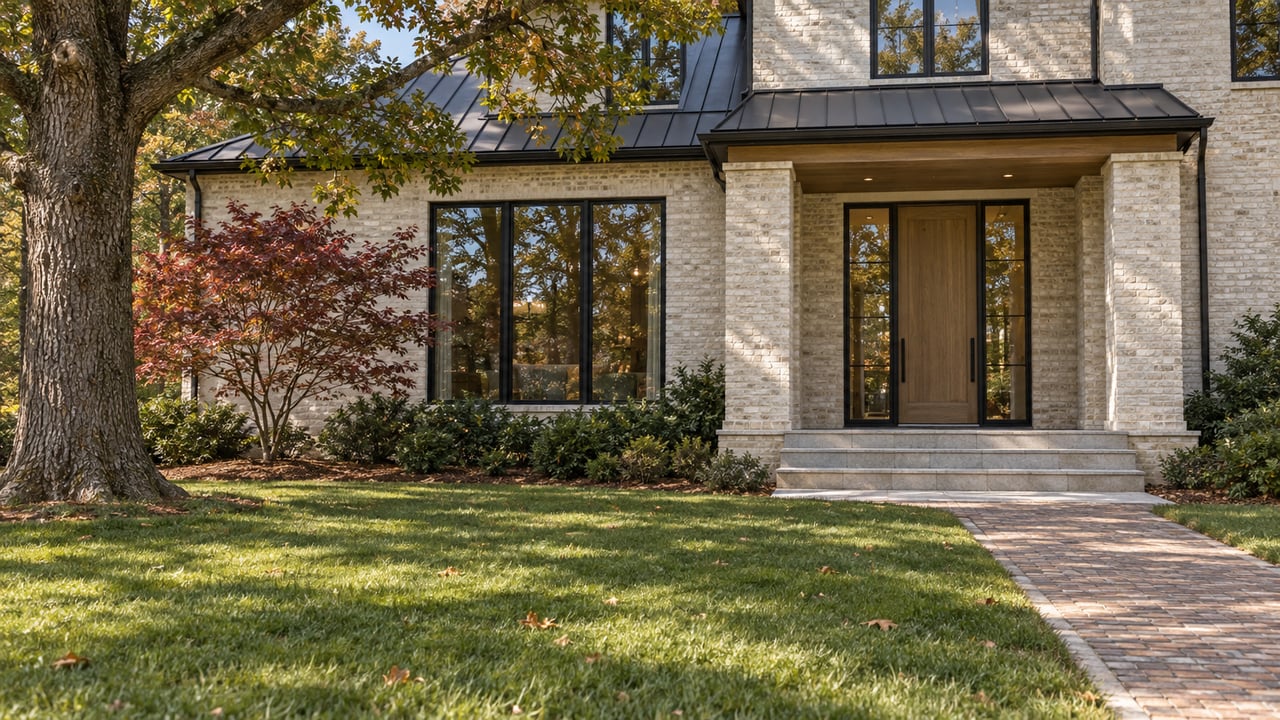
Midtown Atlanta, GA, is home to some of the most architecturally distinctive residential properties in the city. From the early 20th-century buildings near Ansley Park to the mid-century condos along Peachtree Street, the neighborhood carries genuine historical character. Owning one of these homes is a privilege — and a responsibility. Maintaining a historic property well protects its value, preserves its character, and keeps it standing out in one of Atlanta's most desirable markets.
Key Takeaways
- Midtown Atlanta, GA, became a National Register Historic District in 1999, and properties within designated Local Historic Districts may require Atlanta Urban Design Commission review for certain exterior changes
- The most common maintenance challenges in Atlanta's older homes — aging HVAC, outdated electrical, moisture, termites, and Georgia's red clay soil — require proactive attention
- Preserving original details like hardwood floors, plaster walls, crown molding, and built-ins protects both the character and the resale value of a historic Midtown home
- Renovations should balance modern functionality with period-appropriate materials — the goal is a home that works for how you live today without erasing what makes it distinctive
Know Your Property's Historic Designation
Before making exterior changes to a historic home in Midtown Atlanta, GA, it helps to understand exactly what designation applies to your property. Midtown became a National Register Historic District in 1999 — a recognition designation. A separate layer, Local Historic District designation, requires approval from the Atlanta Urban Design Commission for certain exterior modifications to contributing structures.
The City of Atlanta's Historic Preservation Studio maintains an interactive GIS map at gis.atlantaga.gov where you can look up your property's specific classification. Not every project triggers design review, but exterior changes that affect the street-facing character of a contributing structure typically do.
The City of Atlanta's Historic Preservation Studio maintains an interactive GIS map at gis.atlantaga.gov where you can look up your property's specific classification. Not every project triggers design review, but exterior changes that affect the street-facing character of a contributing structure typically do.
What Typically Triggers Design Review in Atlanta
- Changes to exterior materials, such as replacing original wood siding with vinyl or fiber cement
- Window and door replacements that alter the original proportions or profile of the openings
- Additions visible from the street that affect the building's mass, scale, or roofline
- Demolition of any contributing structure within a designated Local Historic District
- New accessory structures — fences, carports, outbuildings — in front or side yards
Address the Most Common Maintenance Issues First
Historic homes in Midtown carry the beauty of their age alongside specific maintenance challenges. Atlanta's hot, humid climate, red clay soil, and year-round termite activity create conditions that require ongoing attention. Deferred maintenance in a historic home compounds faster than it does in newer construction — original materials that were built to last can fail quickly when problems go unaddressed.
A regular inspection schedule is the most practical approach. Catching issues early — before moisture spreads, before termite damage progresses, or before an HVAC system fails during a Georgia summer — is far less costly than addressing them urgently.
A regular inspection schedule is the most practical approach. Catching issues early — before moisture spreads, before termite damage progresses, or before an HVAC system fails during a Georgia summer — is far less costly than addressing them urgently.
Common Maintenance Issues in Atlanta Historic Homes
- Moisture and water intrusion: Atlanta's humidity means any gap in the building envelope — flashing, window caulking, roof penetrations — can reach original wood framing and plaster
- Termites: Georgia's climate supports year-round activity, and historic homes often have older wood framing without modern pre-treatment; annual inspections and a preventive program are essential
- Aging HVAC and electrical: many Midtown homes from the early to mid-20th century have original or partially updated systems; a contractor familiar with historic properties should assess both
- Foundation movement: Georgia's red clay soil shifts with wet and dry cycles, and historic masonry foundations can crack or settle — monitor for new movement and have a structural engineer evaluate anything that progresses
- Original wood windows: worth repairing and maintaining rather than replacing — properly cared for, they outperform modern replacements and matter to both preservation reviewers and future buyers
Preserve Original Materials and Details
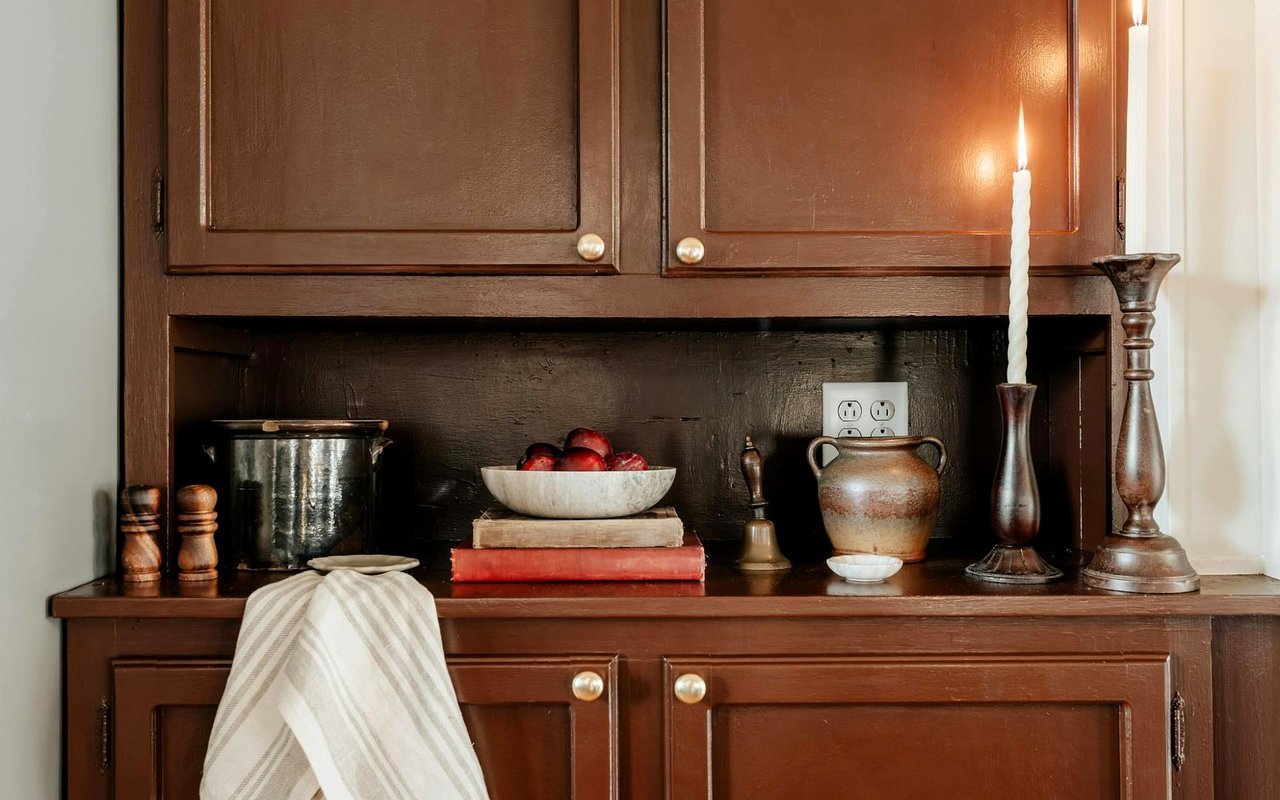
The character of a historic Midtown home lives in its details — the heart pine floors, the plaster ceilings, the original millwork, the tile, the hardware. These are not things that can be recreated cost-effectively once they are gone. Their loss typically reduces both the historic integrity and the market value of the property.
When materials can be repaired rather than replaced, repair is almost always the better choice. Plaster can be patched. Hardwood floors can be refinished multiple times. Original wood windows can be restored and supplemented with interior storm panels to match modern performance.
When materials can be repaired rather than replaced, repair is almost always the better choice. Plaster can be patched. Hardwood floors can be refinished multiple times. Original wood windows can be restored and supplemented with interior storm panels to match modern performance.
What to Preserve in a Historic Midtown Atlanta Home
- Original hardwood and heart pine floors — refinish rather than cover or replace; buyers and preservation reviewers both notice
- Plaster walls and ceilings — patch with compatible material rather than covering with drywall, which changes the acoustic and thermal character
- Original millwork: crown molding, baseboard, door casings, and built-ins are period-specific and difficult to replicate accurately
- Fireplace surrounds and tile — even non-functional fireplaces are significant architectural features in historic Midtown blocks
- Original hardware: door knobs, hinges, window latches, and light switch plates contribute to period character and are worth maintaining rather than replacing
Modernize Systems Without Erasing Character
Modern functionality and historic character are not in conflict. The goal is to update the systems that make a home safe, efficient, and comfortable — HVAC, plumbing, electrical, insulation — in ways that respect the original structure. This means working with contractors who have real experience in historic renovation, not just general remodeling.
Interior work in Midtown Atlanta, GA, generally does not require design review unless it affects exterior appearance or involves structural changes visible from the street. That gives homeowners significant latitude to modernize kitchens, bathrooms, and mechanical systems without triggering formal approval.
Interior work in Midtown Atlanta, GA, generally does not require design review unless it affects exterior appearance or involves structural changes visible from the street. That gives homeowners significant latitude to modernize kitchens, bathrooms, and mechanical systems without triggering formal approval.
How to Upgrade a Historic Midtown Home While Maintaining Its Character
- Replace outdated wiring and plumbing with code-compliant systems, routing new lines in ways that preserve original plaster rather than requiring full wall demolition
- Install high-efficiency HVAC sized correctly for the home's envelope — older homes often benefit from multiple smaller zones rather than a single oversized unit
- Add attic and crawlspace insulation without filling wall cavities in ways that trap moisture against original materials
- In kitchens and bathrooms, choose fixtures and cabinetry that complement the home's era — period-informed details in modern materials read as thoughtful
- Work with a contractor who knows Atlanta's historic districts and the Atlanta Urban Design Commission review process before beginning exterior work
FAQs
Do I need permits to renovate a historic home in Midtown Atlanta?
Interior renovations follow standard City of Atlanta permitting. Exterior changes on contributing properties within a Local Historic District require separate approval from the Atlanta Urban Design Commission. The City's Historic Preservation Studio can clarify what applies to your specific property.
Is maintaining a historic home in Midtown more expensive than a standard home?
Specialized materials and labor do carry higher upfront costs. However, a well-maintained historic home in Midtown commands a real premium at resale, and preventive maintenance is substantially less expensive than deferred repairs on original building fabric.
How do I find a contractor for historic home work in Atlanta?
Look for contractors with a portfolio of completed projects in Atlanta's established historic neighborhoods — Ansley Park, Virginia-Highland, Inman Park — and ask about their experience navigating the Atlanta Urban Design Commission process. The Georgia Trust for Historic Preservation is also a useful resource for contractor referrals.
Buying or Selling a Historic Home in Midtown Atlanta?
I have helped clients work through the specific considerations that come with historic properties in Midtown — from understanding what a designation means for future renovation plans to positioning a well-maintained home at its best when the time comes to sell.
Reach out to me, Sara Harper, and let's talk about what owning a historic home in Midtown Atlanta, GA, looks like for your situation.
Reach out to me, Sara Harper, and let's talk about what owning a historic home in Midtown Atlanta, GA, looks like for your situation.