Trying to choose between a historic home near Marietta Square and a newer build on the city’s edge or in a planned community? It is a common question, and the answer is rarely just about age. Your best fit depends on how you want to live, how much upkeep you can take on, and how important flexibility, walkability, and layout are to your day-to-day life. If you are weighing charm against convenience in Marietta, this guide will help you sort through the tradeoffs with confidence. Let’s dive in.
Why This Choice Matters in Marietta
Marietta offers a wide mix of housing types, from older in-town homes and historic districts to townhomes, planned subdivisions, and newer detached homes. The city’s housing patterns also vary by location, with newer homes more common on the edges of the city and smaller-lot homes and townhomes appearing closer to the center.
That variety gives you real options, but it also means you need to compare more than square footage. In Marietta, the setting, lot pattern, design rules, and access to public amenities can shape your experience just as much as the house itself.
What Historic Homes Often Offer
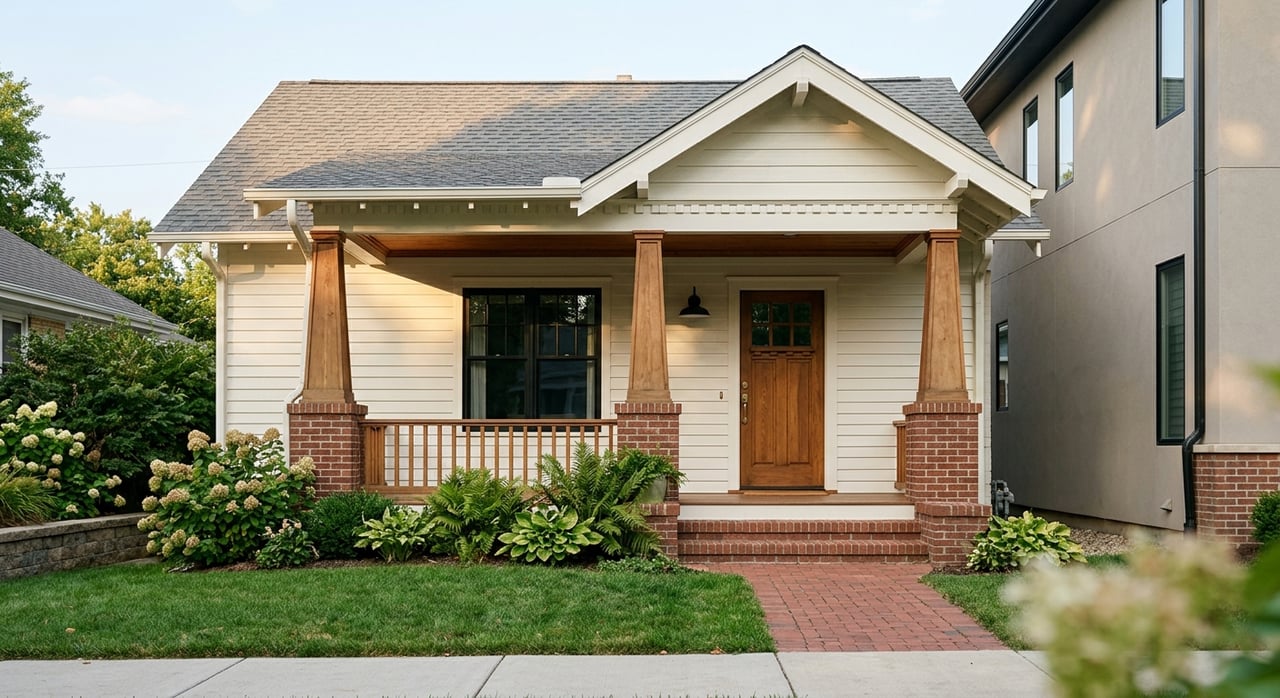
If you are drawn to homes with personality, historic Marietta may be where your search starts. Areas near Marietta Square often feature porch-oriented, street-facing homes shaped by older neighborhood patterns instead of modern subdivision layouts.
In the Kennesaw Avenue Historic District, reported home types include Georgian, Queen Anne, bungalow, gabled ell cottage, and Georgian cottage. Styles found in the area include Greek Revival, Colonial Revival, High Victorian Eclectic, Folk Victorian, and Queen Anne, which helps explain why historic homes in Marietta often feel visually distinct from one another.
Historic lots are not all the same
A common assumption is that older in-town homes always sit on very small lots. In Marietta, that is not necessarily true.
Current listings in the Church-Cherokee district show lot sizes ranging from 8,712 square feet to 0.94 acre, and some homes near the Square sit on roughly one acre. If lot size matters to you, it is worth comparing specific properties instead of assuming all historic options are compact.
Walkability is a major draw
One of the biggest benefits of a historic home near the Square is the surrounding lifestyle. Marietta Square is a central gathering place with festivals, concerts, markets, shopping, antiques, restaurants, museums, theaters, parking, and Glover Park at its center.
The city also supports downtown-area improvements such as parks, sidewalks, streetscapes, and infrastructure in areas within walking distance of the Square. For many buyers, that public investment is part of the appeal of choosing an older in-town home.
What to Know About Historic District Rules
This is one of the most important parts of the decision. In Marietta, a locally designated historic district is not the same thing as a National Register listing.
If a home is in a locally designated historic district, exterior changes, new construction, demolition, and any material change in appearance require a Certificate of Appropriateness. By contrast, National Register designation is honorary and does not by itself create those local design controls.
Why that matters for buyers
If you love original details and want to preserve them, local historic review may feel like a helpful layer of protection. If you want broad freedom to redesign the exterior, replace materials, or make major visible changes, those rules may feel limiting.
This does not mean a historic home is the wrong choice. It simply means you should understand the approval process before you buy, especially if renovation flexibility is high on your list.
What Maintenance Looks Like in Older Homes
Historic homes often ask more from you after closing. Marietta’s maintenance guidance notes that historic buildings should be maintained to meet standard housing and building codes, warns against demolition by neglect, and makes clear that no building material is truly maintenance free.
The city’s guidance also favors repair and like-for-like replacement of historically significant features such as porches rather than broad substitution. In practice, that can affect how you budget for upkeep and how you approach future projects.
Historic home maintenance may include
- More frequent exterior upkeep
- Repairing original or older materials instead of replacing them with newer alternatives
- Coordinating exterior work with local review requirements when applicable
- Planning for ongoing preservation rather than one-time updates
If you enjoy stewardship and character, that may be part of the value. If you want a simpler ownership experience, it may feel like a burden.
What New Builds Often Offer
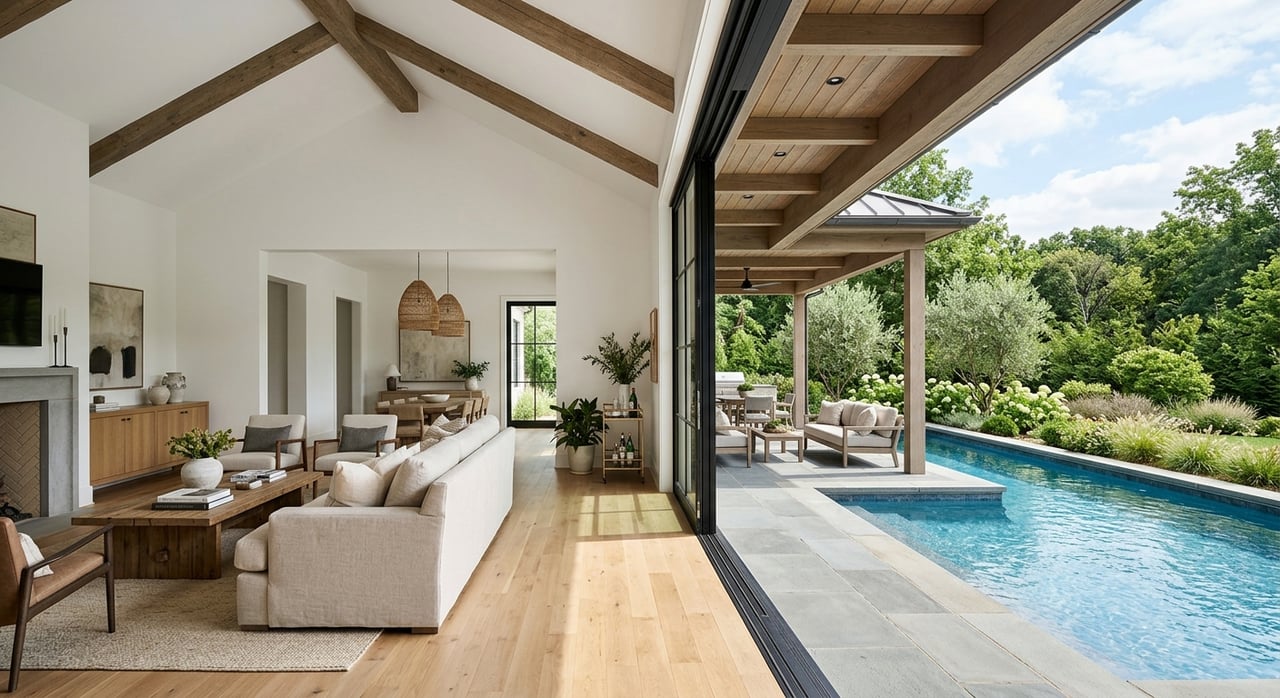
New construction in Marietta tends to appeal to buyers who want a more predictable systems baseline and a layout that fits current living patterns. Open plans, larger kitchen islands, one-level living, basements, fenced yards, and more structured neighborhood setups are common selling points depending on the project.
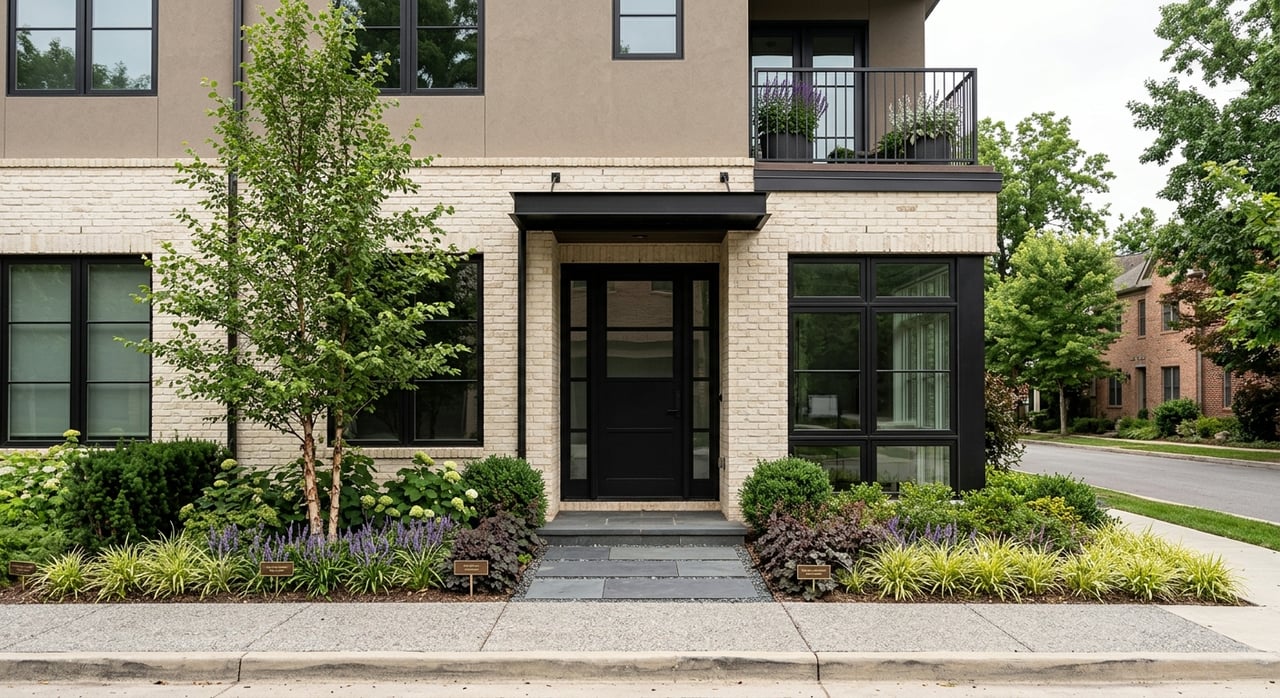
Marietta’s design guidelines for newer development also emphasize four-sided architecture, pitched roofs, durable materials such as brick, stucco, stone, or fiber cement, and consistent detailing on all sides of the home. That often creates a cleaner, more standardized look, even when the goal is to fit the surrounding block.
New homes can vary widely by setting
Not every new home in Marietta looks or lives the same. Some in-town projects are compact, while others offer more land and privacy.
For example, city documents for Marietta Reserve show many lots around 2,000 to 3,500 square feet, or about 0.05 to 0.08 acre, with a minimum 1,800 square feet of conditioned floor area. At the same time, current new-home listings in Marietta also include homes on half-acre East Cobb lots, plus options with private gated roads, no HOA, fenced yards, and open one-level layouts.
That means the historic-versus-new question is not only about age. It is also about whether you want an in-town footprint, a planned community, or a more spread-out lot.
Code Era and Construction Standards
One practical advantage of new construction is clarity around code era. For projects permitted after January 1, 2026, Marietta applies the city code and current Georgia-adopted building codes, including the 2024 International Residential Code and 2024 International Building Code with 2026 Georgia amendments.
Site plans, plats, and inspections are part of the approval process as well. For buyers, that makes new homes easier to benchmark from a systems and code-compliance standpoint, even though newer construction still requires maintenance over time.
Lifestyle: Public Amenities vs In-Home Features
In Marietta, the biggest difference between historic homes and new builds is often the lifestyle around the property. Historic homes near the Square often trade on access to public amenities and a walkable downtown setting.
New homes more often package convenience inside the home or community. That may mean a more open layout, newer finishes, fenced outdoor space, or neighborhood rules and controlled-access features depending on the development.
A simple way to think about it
Choose based on the experience you want most.
| If you value... | You may lean toward... |
|---|---|
| Walkability to Marietta Square | Historic home |
| One-of-a-kind architecture | Historic home |
| Porch-oriented streetscapes | Historic home |
| Predictable systems baseline | New build |
| Flexible, modern floor plan | New build |
| Lower near-term upkeep | New build |
Resale Considerations in Marietta
Resale is never one-size-fits-all, but a few local patterns are worth noting. Historic homes may benefit from location, character, and continued public investment around downtown, including park renovation, sidewalk improvements, streetscape enhancements, and other redevelopment support.
At the same time, local preservation review can narrow the pool of buyers who want freedom to make highly customized exterior changes. That does not automatically hurt resale, but it can influence who is most likely to buy the home later.
For new construction, resale performance still depends on lot size, finish quality, and neighborhood setting. Marietta currently has 106 new homes for sale at a median listing price of $490K, with an average time on market of 51 days, which suggests an active segment where buyers still have room to compare options carefully.
How to Choose the Right Fit
If you are deciding between a historic home and a new build, focus on how you actually live. The right answer usually becomes clearer when you match the house to your priorities instead of comparing features in isolation.
Choose a historic home if you want
- A location near Marietta Square
- Character, porches, and older architectural detail
- A streetscape that feels established and unique
- A homeownership experience that includes ongoing upkeep and preservation-minded decisions
Choose a new build if you want
- A more modern floor plan
- Easier benchmarking for systems and code era
- Lower near-term maintenance expectations
- A neighborhood setup that may feel more structured or predictable
Final Thoughts on Marietta Homes
In Marietta, historic homes and new builds each offer strong advantages, but they serve different goals. Historic homes often deliver charm, walkability, and a close connection to the Square, while newer homes tend to offer a more straightforward systems baseline, modern layouts, and a simpler short-term maintenance picture.
The best move is to look beyond finishes and ask how much flexibility, upkeep, lot size, and lifestyle access matter to you. If you want help comparing neighborhoods, property types, and long-term fit in Marietta, Sara Harper can help you make a smart, grounded decision.
FAQs
What is the difference between a local historic district and a National Register listing in Marietta?
- In Marietta, homes in locally designated historic districts require a Certificate of Appropriateness for exterior changes, new construction, demolition, or any material change in appearance, while National Register status is honorary and does not by itself create those local controls.
Are historic home lots near Marietta Square always small?
- No. Historic lots in Marietta can vary widely, and current listings in the Church-Cherokee district show examples from 8,712 square feet up to 0.94 acre.
Do new homes in Marietta always have larger lots?
- No. Some new in-town projects have compact lots around 2,000 to 3,500 square feet, while other new-home options in Marietta offer larger lots, including half-acre properties.
Are historic homes in Marietta harder to maintain?
- Historic homes often come with higher maintenance expectations because older materials require ongoing care, and local guidance favors repair and like-for-like replacement of historically significant features.
What lifestyle difference should buyers expect between historic homes and new builds in Marietta?
- Historic homes near Marietta Square often offer greater access to public amenities and walkability, while new builds more often emphasize in-home features such as open layouts, newer finishes, fenced yards, or more structured neighborhood setups.