Grant Park Atlanta GA Real Estate: A Complete Buyer's Guide
Grant Park is one of Atlanta's oldest and most sought-after intown neighborhoods, offering buyers a rare combination of historic architecture, walkable green space, and immediate proximity to the city core. Located approximately 2 miles southeast of downtown Atlanta in Fulton County, Grant Park is home to Zoo Atlanta, the 131-acre Grant Park itself, and Historic Oakland Cemetery, three cultural landmarks that give the neighborhood an identity found nowhere else in Metro Atlanta. The housing stock spans Victorian, Queen Anne, Folk Victorian, and Craftsman bungalows built primarily between the 1890s and 1940s, many of which have been thoughtfully restored and renovated while retaining their original character. As of June 2026, the median sale price in Grant Park is approximately $570,000, with larger historic homes near the park perimeter frequently trading above $1,000,000.
Sara Harper brings over a decade of Metro Atlanta real estate experience to every Grant Park transaction, combining deep knowledge of the neighborhood's historic housing market with the strategic counsel that buyers and sellers need in one of Atlanta's most competitive intown communities. Whether you are searching for your first historic home, relocating to Atlanta, or evaluating Grant Park as an investment, Sara's expertise in intown Atlanta real estate provides the clarity and confidence to move decisively.
Grant Park Quick Facts | Details |
|---|---|
County | Fulton County, GA | City of Atlanta |
Zip Code | 30312 (primary) |
Population | ~9,163 | ~4,140 households |
Median Age | 35 years |
Average Household Income | ~$99,000 |
Median Sale Price | ~$570,000 (June 2026) |
Price Per Sq Ft | ~$345 |
Days on Market | ~41 days (June 2026) | down from ~54 days prior year |
Education | 73.9% of adults hold a bachelor's degree or higher |
Distance to Downtown Atlanta | ~2 miles | ~5 to 15 min drive |
Location
Where Is Grant Park, Atlanta GA?
Grant Park is an intown Atlanta neighborhood located in Fulton County, approximately 2 miles southeast of downtown Atlanta. The neighborhood is bounded to the north by I-20, to the east by Boulevard SE, to the south by Berne Street and Ormewood Park, and to the west by the neighborhoods of Mechanicsville and Summerhill. The primary zip code serving Grant Park is 30312. Its position inside I-285 (Inside the Perimeter, or ITP) places it among Atlanta's most accessible and historically significant residential communities.
The neighborhood takes its name from Lemuel P. Grant, a civil engineer and Confederate general who donated approximately 100 acres to the City of Atlanta in 1883 to create what became Grant Park. The park and surrounding residential streets developed rapidly in the late 19th and early 20th centuries, producing the Victorian, Queen Anne, and Craftsman bungalow housing stock that defines the neighborhood today. That architectural legacy, combined with the park's green space, Zoo Atlanta, and Historic Oakland Cemetery, makes Grant Park one of the most layered and character-rich neighborhoods in the city.
Adjacent neighborhoods include Cabbagetown to the north, Ormewood Park to the southeast, Summerhill to the west, and Inman Park to the north. The Atlanta BeltLine Southside Trail runs through or adjacent to the neighborhood, connecting Grant Park residents to the broader BeltLine trail network that links intown Atlanta communities from Westside to Eastside.
Lifestyle
Living in Grant Park, Atlanta
Zoo Atlanta
Founded in 1889, Zoo Atlanta at 800 Cherokee Avenue SE is one of the oldest zoos in the United States and one of Grant Park's most defining assets. The zoo is home to one of the largest gorilla populations in North America and houses giant pandas, Komodo dragons, African elephants, and hundreds of additional species across its grounds. For Grant Park residents, Zoo Atlanta is a walkable landmark, offering family membership programs, educational events, and after-hours programming that give the neighborhood a cultural anchor unlike any other Atlanta community.
Historic Oakland Cemetery
Historic Oakland Cemetery, located at 374 Martin Luther King Jr. Drive SE, is Atlanta's oldest public burial ground, established in 1850. The grounds are open daily from dawn to dusk and function as a living park, garden, and cultural destination, hosting walking tours, art events, concerts, and the annual "Sunday in the Park" festival. The Historic Oakland Foundation, celebrating its 50th anniversary in 2026, manages the cemetery and its Visitor Center (open daily 10AM to 5PM). For Grant Park residents, Oakland Cemetery is a unique neighborhood amenity that combines green space, local history, and community programming.
Grant Park (The Park)
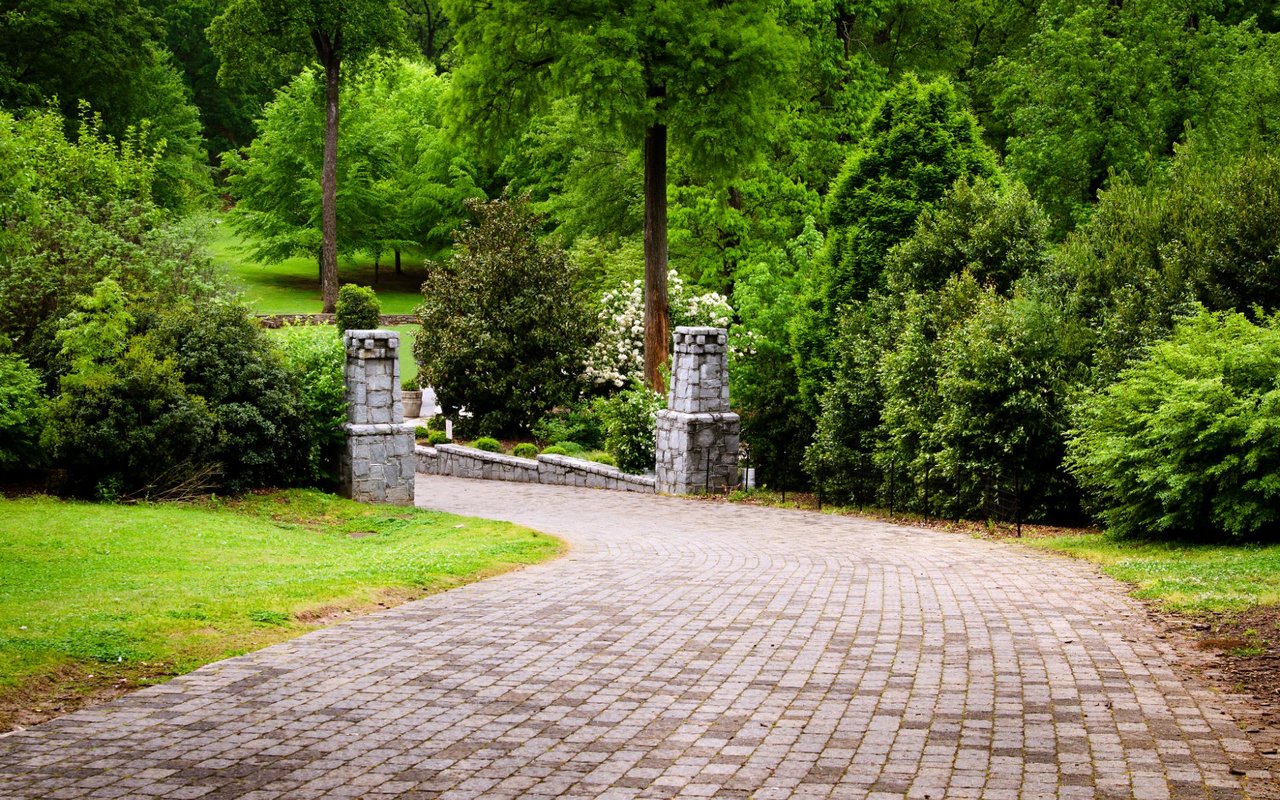
The 131-acre Grant Park green space is one of Atlanta's oldest city parks, offering walking paths, playgrounds, a pool, picnic areas, and open green space in the heart of the neighborhood. The park is surrounded by some of Grant Park's most desirable residential streets, and homes within close proximity to the park perimeter command consistent premiums in the resale market. The park connects to Zoo Atlanta and Oakland Cemetery, creating a continuous green corridor that gives Grant Park residents a quality of outdoor life that is rare for a neighborhood this close to a major urban center.
Atlanta BeltLine Southside Trail
The Atlanta BeltLine Southside Trail connects Grant Park to the broader 22-mile BeltLine trail network, linking the neighborhood to Westside Park, Ponce City Market, Piedmont Park, and dozens of intown Atlanta communities via a car-free trail system. The BeltLine is one of the most transformative urban infrastructure projects in Atlanta's history and is a primary driver of property value appreciation in Grant Park and adjacent neighborhoods. For residents, it provides direct trail access to hundreds of restaurants, parks, shops, and community events across intown Atlanta without requiring a car.
Dining, Coffee, and the Summerhill Corridor
Grant Park's immediate surroundings offer a growing dining and retail scene rooted in the intown Atlanta independent business culture. The neighborhood's own Boulevard SE and Georgia Avenue corridors host local coffee shops, restaurants, and neighborhood staples that cater to the highly educated, professional resident base. The adjacent Summerhill neighborhood along Georgia Avenue SE has seen significant commercial development in recent years, expanding the dining and retail options accessible within walking distance. Cabbagetown, Inman Park, and the Old Fourth Ward are all accessible via the BeltLine or a short drive, adding further dining and entertainment depth to the Grant Park lifestyle.
Historic Architecture
Grant Park's residential architecture is among the most intact Victorian-era streetscapes in Atlanta. The neighborhood's housing stock includes Queen Anne Victorians, Folk Victorians, Craftsman bungalows, and American Foursquare homes built primarily between the 1890s and 1940s. Many properties have been carefully restored and renovated by owner-occupants who have invested in preserving original architectural details, including wraparound porches, original hardwood floors, period millwork, and decorative facades. This concentration of historically significant and well-maintained housing stock is irreplaceable and forms the core of Grant Park's long-term value proposition as a real estate investment.
The Neighborhood
Inside Grant Park: What Buyers Need to Know
Grant Park is a single cohesive neighborhood, but buyers quickly discover meaningful variation in character, pricing, and positioning across its streets and sub-areas. Understanding the neighborhood's internal geography helps buyers identify the locations that best match their lifestyle priorities and budget.
The Park Perimeter
Streets directly bordering or within one to two blocks of the park, including segments of Park Avenue SE, Sydney Street SE, and Cherokee Avenue SE near the park entrance, represent Grant Park's most premium real estate. Park perimeter homes command consistent price premiums for their views, walkability, and proximity to Zoo Atlanta. Renovated Victorian homes in this zone regularly list and sell above $1,000,000, and competition for well-priced turnkey properties can be significant. Buyers targeting the park perimeter should be prepared to move quickly and work with an agent who has direct experience in this specific segment.
Grant Park North
The northern portion of Grant Park, generally above Georgia Avenue SE, sits closest to Cabbagetown, Inman Park, and the BeltLine's Eastside connectivity. This sub-area tends to attract buyers who prioritize trail access, proximity to the Old Fourth Ward's dining and nightlife scene, and the relative ease of commuting to midtown and downtown by bike or trail. The housing mix includes renovated bungalows, larger Victorians on corner lots, and some more modest infill development. Prices in Grant Park North reflect strong demand from young professional buyers drawn by the BeltLine's walkable lifestyle.
Grant Park South
The southern portion of Grant Park, below Georgia Avenue SE and transitioning toward Ormewood Park, offers a quieter, more residential character with a slightly wider range of price points. This sub-area appeals to buyers seeking more square footage or larger lots at a modest discount relative to the park perimeter. Some of Grant Park's most architecturally distinctive renovations can be found on streets in this zone, where buyers with vision have purchased and extensively restored Folk Victorians and Craftsman cottages over the past two decades. The area also benefits from the Southside BeltLine Trail corridor.
Cherokee Avenue and Boulevard SE
Cherokee Avenue SE runs through the heart of the neighborhood along the eastern edge of Grant Park and Zoo Atlanta, anchored by the zoo entrance and the neighborhood's most prominent Victorian streetscapes. Boulevard SE forms the eastern boundary of the neighborhood and carries significant traffic, making properties directly on Boulevard less desirable but those one to two blocks off Boulevard very well-positioned. These two corridors frame much of Grant Park's commercial and pedestrian activity and are home to some of the neighborhood's best-recognized historic homes and blocks.
Market
Grant Park Atlanta GA Housing Market 2026
As of June 2026, the Grant Park housing market reflects strengthening demand compared to the prior year. The median sale price is approximately $570,000, with an average price per square foot of approximately $345. Homes are averaging approximately 41 days on market, a meaningful improvement from the approximately 54 days recorded the prior year, indicating buyers are acting with greater urgency. Active inventory stands at approximately 54 listings, providing options without the extreme scarcity that defined the Atlanta intown market during the 2021 to 2022 peak.
Pricing in Grant Park spans a wide range based on size, condition, and location. Current active listings from Sara Harper's portfolio show large, fully renovated 4- to 6-bedroom Victorian homes in the $1,050,000 to $1,250,000 range, with square footage between approximately 2,866 and 3,364. More modest renovated bungalows and smaller historic cottages in need of updating can still be found in the $400,000 to $550,000 range, representing the entry point for buyers seeking to access the neighborhood's long-term appreciation potential at a lower initial investment.
NeighborhoodScout's analysis places the overall median real estate value in Grant Park at approximately $685,727, which is higher than 89.7% of Georgia neighborhoods and 79.0% of U.S. neighborhoods. This premium reflects the irreplaceable nature of the neighborhood's housing stock, BeltLine connectivity, and walkable access to Zoo Atlanta, Oakland Cemetery, and the park itself, which together create a quality-of-life proposition that is structurally limited in supply.
Metric | Prior Year | 2026 |
|---|---|---|
Median Sale Price | ~$575,000 | ~$570,000 |
Days on Market | ~54 days | ~41 days |
Price Per Sq Ft | ~$330 | ~$345 |
Active Listings | ~60 | ~54 |
Investment
Buying Real Estate in Grant Park, Atlanta
Grant Park's investment case rests on three structural factors that are unlikely to change: location scarcity, architectural irreplaceability, and BeltLine adjacency. The neighborhood's position inside the Perimeter, within 2 miles of downtown Atlanta, cannot be duplicated by new development. The Victorian and Craftsman housing stock is finite. And the BeltLine's continued expansion and monetization of its trail-adjacent real estate corridor continues to exert upward pressure on property values in Grant Park and the surrounding intown neighborhoods.
The neighborhood's resident profile, with 73.9% of adults holding a bachelor's degree or higher and 74.2% employed in executive, management, or professional occupations, supports a stable owner-occupant base that invests in property maintenance and improvement. This demographic character contributes to the neighborhood's long-term appreciation trajectory and limits the kind of vacancy-driven value erosion that affects neighborhoods with weaker owner-occupancy rates.
Buyers considering Grant Park should be aware that the most competitively priced and best-condition homes move quickly. The 41-day average days on market reflects meaningful competition for quality inventory. Working with an agent who actively tracks the neighborhood, maintains relationships within the community, and has direct experience negotiating intown Atlanta historic home transactions is essential to identifying and securing the best opportunities.
Schools
Grant Park Atlanta Schools Overview
Grant Park is served by Atlanta Public Schools (APS), the city's primary public school district. The zoned elementary school for the majority of Grant Park addresses is Parkside Elementary School, an APS school serving grades PK through 5, located within the neighborhood. Families with school-age children have found Parkside to be an active and community-engaged school with a parent population that reflects the neighborhood's highly educated and professionally oriented demographic.
Neighborhood Charter School, a popular APS choice school serving grades K through 5, is one of the most sought-after school choice options for Grant Park families. With a GreatSchools rating of 7 out of 10, Neighborhood Charter School attracts applicants from across the neighborhood and adjacent intown Atlanta communities. Enrollment is by application and lottery, and families interested in this option should review the APS open enrollment timeline carefully.
Private school options are available within a short drive of Grant Park, including several well-regarded independent and parochial schools throughout the intown Atlanta and Buckhead areas. Buyers are strongly encouraged to verify current school zoning for any specific property address directly with Atlanta Public Schools, as attendance boundaries can change and individual properties may have unique zoning designations based on their precise location within the neighborhood.
Getting Around
Transportation and Access from Grant Park
I-20 and Downtown Atlanta
I-20 runs along the northern boundary of Grant Park, providing immediate freeway access eastbound toward Decatur and westbound toward downtown Atlanta and I-285. The downtown Atlanta core is approximately 2 miles northwest of the neighborhood, typically a 5 to 15 minute drive depending on time of day. The freeway on-ramp access from Boulevard SE and Cherokee Avenue SE makes Grant Park one of the most conveniently positioned intown neighborhoods for residents who commute by car.
Atlanta BeltLine Trail Access
The Atlanta BeltLine Southside Trail connects Grant Park to the broader 22-mile BeltLine network, enabling car-free commuting and recreation access to intown Atlanta destinations including Ponce City Market, Krog Street Market, Piedmont Park, and the Westside neighborhoods. For residents who work in midtown or along the BeltLine corridor, the trail offers a practical car-free commute option in addition to recreational use. The BeltLine's ongoing expansion makes trail connectivity an increasingly valuable residential amenity.
Hartsfield-Jackson Atlanta International Airport
Hartsfield-Jackson Atlanta International Airport is approximately 10 miles south of Grant Park, typically a 20 to 30 minute drive via I-20 west to I-75/85 south under normal traffic conditions. For frequent travelers, this proximity is a meaningful quality-of-life advantage. MARTA rail also provides direct service to the airport from stations in the broader Atlanta system, and bus connections to MARTA rail are accessible from the Grant Park area.
Walkability and Transit
Grant Park ranks among Atlanta's most walkable intown neighborhoods, with direct pedestrian and trail access to Zoo Atlanta, Oakland Cemetery, the park, and neighborhood restaurants and coffee shops without requiring a car. MARTA bus routes serve the neighborhood and connect residents to the broader Atlanta transit network. For residents working downtown or in midtown, the combination of BeltLine trail access and short driving distances makes Grant Park one of the more transit-friendly intown Atlanta addresses available at this price point.

Why Work With Sara Harper
Sara Harper is a top-producing Atlanta Realtor with over a decade of experience helping clients buy, sell, and invest in real estate across Metro Atlanta. Raised in East Cobb and a longtime Midtown Atlanta resident since 2009, Sara brings deep local knowledge and a nuanced understanding of Atlanta's diverse neighborhoods and evolving market. Sara earned both her undergraduate and graduate degrees from Georgia State University, completing a Master's degree in Planning and Economic Development. Her academic background allows her to approach real estate strategically, offering clients insight into market trends, urban development, zoning considerations, and long-term property value.
Since beginning her real estate career in 2013, Sara has built a reputation as a trusted advisor and consistent Top Producer. She specializes in luxury homes, condominiums, new construction, listings, first-time homebuyers, relocations, film rentals, and commercial real estate. Known for her strong negotiation skills, attention to detail, and client-focused approach, Sara delivers a seamless experience from initial consultation through closing.
License #354735 | Ansley Real Estate Christie's International Real Estate
(404) 435-0034 (Mobile) | (404) 480-4663 (Office)
952 Peachtree St., NE, #100, Atlanta, GA 30309
FAQ
Grant Park Atlanta GA Real Estate: Frequently Asked Questions
What is the median home price in Grant Park Atlanta GA?
As of June 2026, the median sale price in Grant Park is approximately $570,000, with a price per square foot of approximately $345. Larger fully renovated Victorian and Craftsman homes near the park perimeter frequently list and sell in the $1,050,000 to $1,250,000 range. Entry-level bungalows and homes in need of renovation can still be found from approximately $400,000 to $550,000, representing the lower end of the neighborhood's market. NeighborhoodScout places the overall neighborhood median at approximately $685,727, higher than 89.7% of Georgia neighborhoods.
What are the best things about living in Grant Park Atlanta?
Grant Park's combination of walkable green space, historic architecture, and cultural amenities is unique in Metro Atlanta. Zoo Atlanta (founded 1889), Historic Oakland Cemetery (established 1850), and the 131-acre Grant Park itself are all accessible on foot from most addresses. BeltLine Southside Trail connectivity links residents to the broader intown Atlanta trail network. The neighborhood's population is young (median age 35), highly educated (73.9% hold a bachelor's degree or higher), and professionally oriented, creating a stable, community-engaged residential environment.
How far is Grant Park from downtown Atlanta?
Grant Park is approximately 2 miles southeast of downtown Atlanta, typically a 5 to 15 minute drive via I-20 west or surface streets. The BeltLine trail also provides a car-free connection to midtown and downtown destinations. Hartsfield-Jackson Atlanta International Airport is approximately 10 miles south, typically a 20 to 30 minute drive via I-20 and I-75/85.
What schools serve Grant Park Atlanta GA?
Grant Park is served by Atlanta Public Schools (APS). Parkside Elementary School (APS, grades PK-5) is the primary zoned school for most Grant Park addresses. Neighborhood Charter School (K-5, GreatSchools 7 out of 10) is a popular charter choice school option for families in the neighborhood. Buyers should verify current zoning for specific addresses directly with Atlanta Public Schools, as attendance boundaries can vary and change over time.
Is Grant Park Atlanta a good neighborhood to buy real estate?
Grant Park offers a structurally compelling investment case: intown Atlanta location within 2 miles of downtown, irreplaceable Victorian and Craftsman housing stock, BeltLine trail connectivity, and cultural anchors (Zoo Atlanta, Oakland Cemetery, the park itself) that are impossible to replicate elsewhere. As of June 2026, homes are averaging 41 days on market, down from 54 days the prior year, reflecting strengthening demand. The neighborhood's highly educated and professionally employed resident base supports stable owner-occupancy and ongoing property investment, both of which are key drivers of long-term appreciation in intown Atlanta neighborhoods.
Explore More
More Atlanta Neighborhoods
Ready to Explore Grant Park Real Estate?
Browse current homes for sale in Grant Park or connect with Sara Harper for a personalized consultation. Whether you are buying your first intown home, selling a historic property, or evaluating Grant Park as an investment, Sara provides the local expertise and strategic guidance to get results.